

What Does a Podcast Producer Actually Do?
A practical explanation of what podcast producers handle before recording, during production, after editing, and across publishing workflows.
Last updated May 25, 2026. Comparison guidance is current as of 2026.
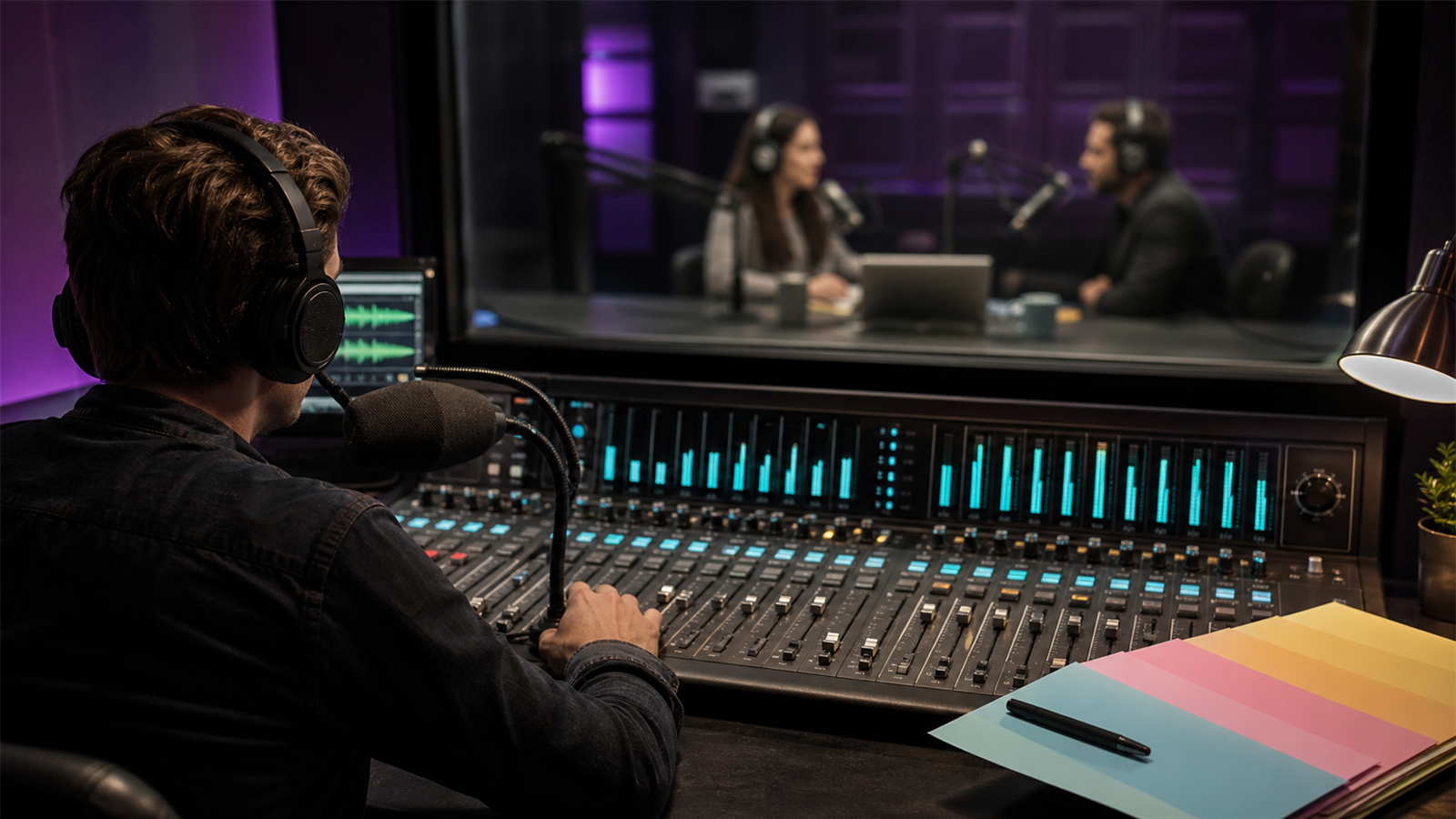
Summary
A podcast producer turns an episode idea into a finished, published asset. Depending on the scope, they may plan the episode, coordinate guests, guide recording, edit audio or video, write show notes, prepare metadata, publish the episode, and create promotional clips.
The simplest definition: a podcast editor improves the recording; a podcast producer owns more of the production workflow. Some people do both, but the responsibilities should be written down before work begins.
For podcasters who want episodes to become clips and social posts, production should connect to Znippet for podcasters, the AI Shorts Maker, and a repeatable content repurposing workflow.
Table of contents
- Quick answers
- Producer versus editor
- Before recording
- After recording
- Publishing and repurposing
- What to define before hiring
- FAQ
Quick answers
- What does a podcast producer do? A producer manages the work needed to plan, record, edit, package, publish, and promote a podcast episode.
- Is a producer the same as an editor? No. Editing is one production task, while producing usually includes planning and delivery responsibility.
- Do all shows need a producer? No. A simple solo show may only need editing, while interview shows, video podcasts, and branded podcasts often benefit from production support.
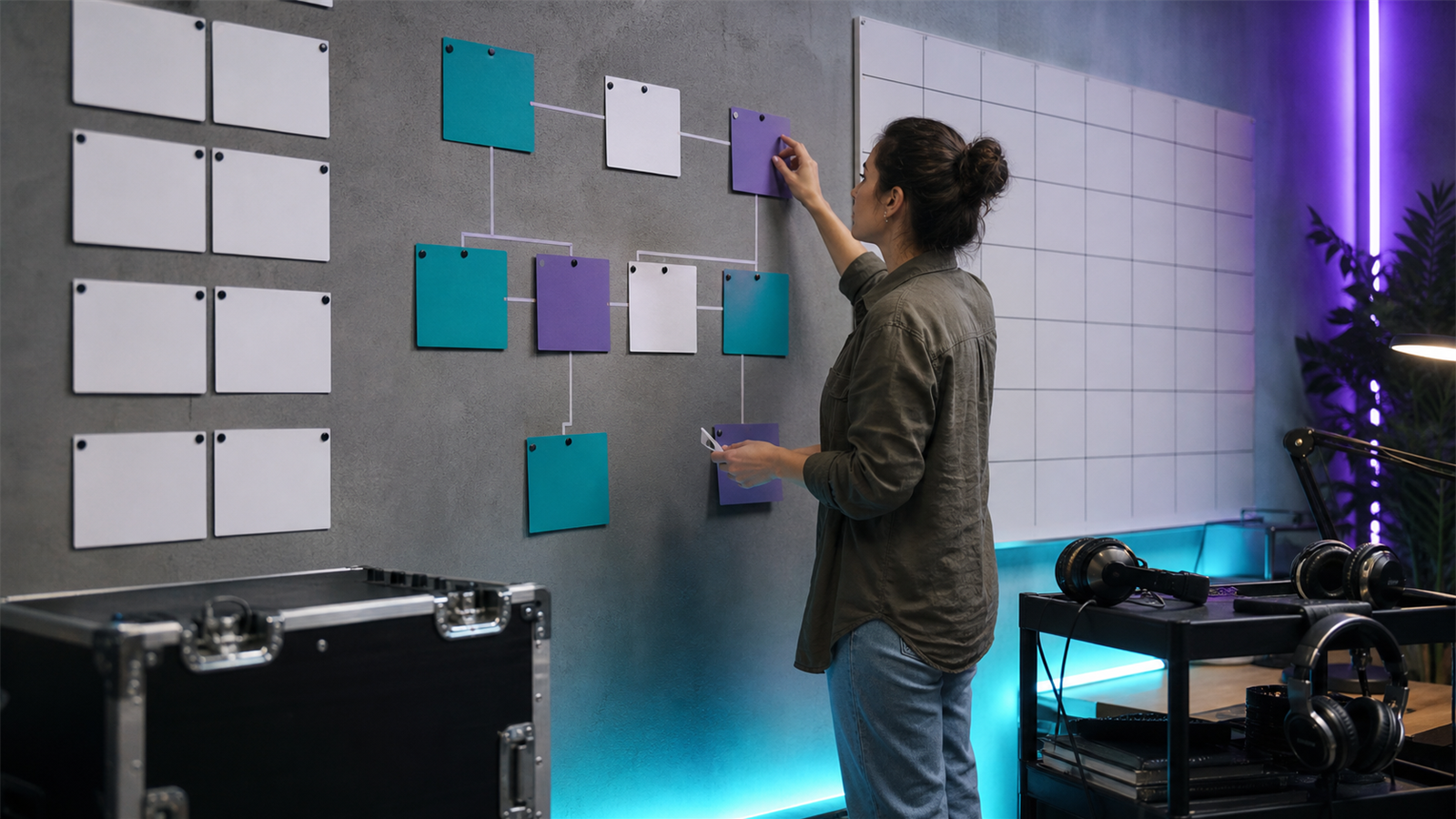
Producer versus editor
A podcast editor usually handles cleanup, pacing, cuts, levels, music, exports, and sometimes captions. A producer may handle those tasks plus episode planning, guest coordination, recording checks, publishing, performance review, and asset management.
The difference is ownership. If someone is responsible for making sure the episode moves from idea to published asset, they are functioning as a producer.
Before recording
Pre-production can include topic selection, guest research, outline creation, run-of-show documents, recording setup, technical checks, sponsor placement, and file naming rules. This work prevents expensive editing problems later.
For shows distributed through Apple Podcasts, producers should understand official requirements such as Apple's podcast requirements. For video podcasts, YouTube's podcast guidance can shape how episodes are organized and published.
After recording
Post-production may include audio repair, removing long pauses, cutting repeated sections, adding intros and outros, balancing speaker levels, exporting the master file, creating video versions, writing show notes, and preparing titles.
If the producer works in Adobe Audition, Adobe's official Audition user guide is a useful reference for the editing environment and audio workflow.
Publishing and repurposing
Modern podcast production often includes more than the episode. A producer may create vertical clips, captions, quote posts, newsletter summaries, and blog drafts. This is where production overlaps with growth.
For a practical example, see how to turn podcast episodes into blog posts and social content. If clips are part of the plan, captions and silence removal should be part of the production checklist.
What to define before hiring
Before hiring a producer, write down the exact ownership model. Some producers only manage the recording and edit. Others own the calendar, guests, publishing, performance review, clips, newsletters, and sponsor coordination.
Define:
- Who books guests and confirms release forms.
- Who checks recording quality before the session starts.
- Who edits, reviews, and approves the final episode.
- Who writes titles, descriptions, show notes, and social copy.
- Who creates clips and captions.
- Who publishes and confirms the episode is live.
This prevents a common mismatch: the host expects full production ownership, while the producer priced only editing and file delivery. Clear scope makes the working relationship fairer and the publishing cadence more dependable.
A good producer also protects the show from avoidable operational drift. They notice when guests are not prepared, files are arriving late, review notes are scattered, or clips are being requested without a clear campaign. That does not mean the producer owns every task, but they should make the workflow visible enough that the team can fix recurring problems.
For growing shows, that visibility is often more valuable than one isolated edit. The producer helps the show publish reliably, reuse strong moments, and keep quality consistent even when the host is busy.
If you are unsure whether you need a producer or an editor, start by listing the tasks that are currently slipping. If the problem is sound quality, hire editing help. If the problem is planning, deadlines, publishing, and repurposing, producer support is the better fit.
FAQ
Do podcast producers edit audio?
Some do, but not all. A producer may edit directly, manage another editor, or only handle planning and publishing.
What should a producer deliver each episode?
At minimum, define the final episode file, show notes, title, description, publishing status, and any promotional assets.
When should I hire a producer?
Hire a producer when missed publishing dates, inconsistent quality, guest logistics, or repurposing tasks are slowing down the show.
Keep comparing workflows
Related comparison guides
Turn long-form footage into publishable clips
Use Znippet AI Shorts Maker to find strong moments, add readable captions, remove dead air, and export clips for Shorts, Reels, TikTok, and social channels.