

Best AI Workflow for Agency Video Editors
Compare AI video workflows for agency video editors, including Znippet, Adobe Premiere Pro, Descript, OpusClip, Frame.io, VEED, and Kapwing.
Last updated May 25, 2026. Comparison guidance is current as of 2026.
Summary
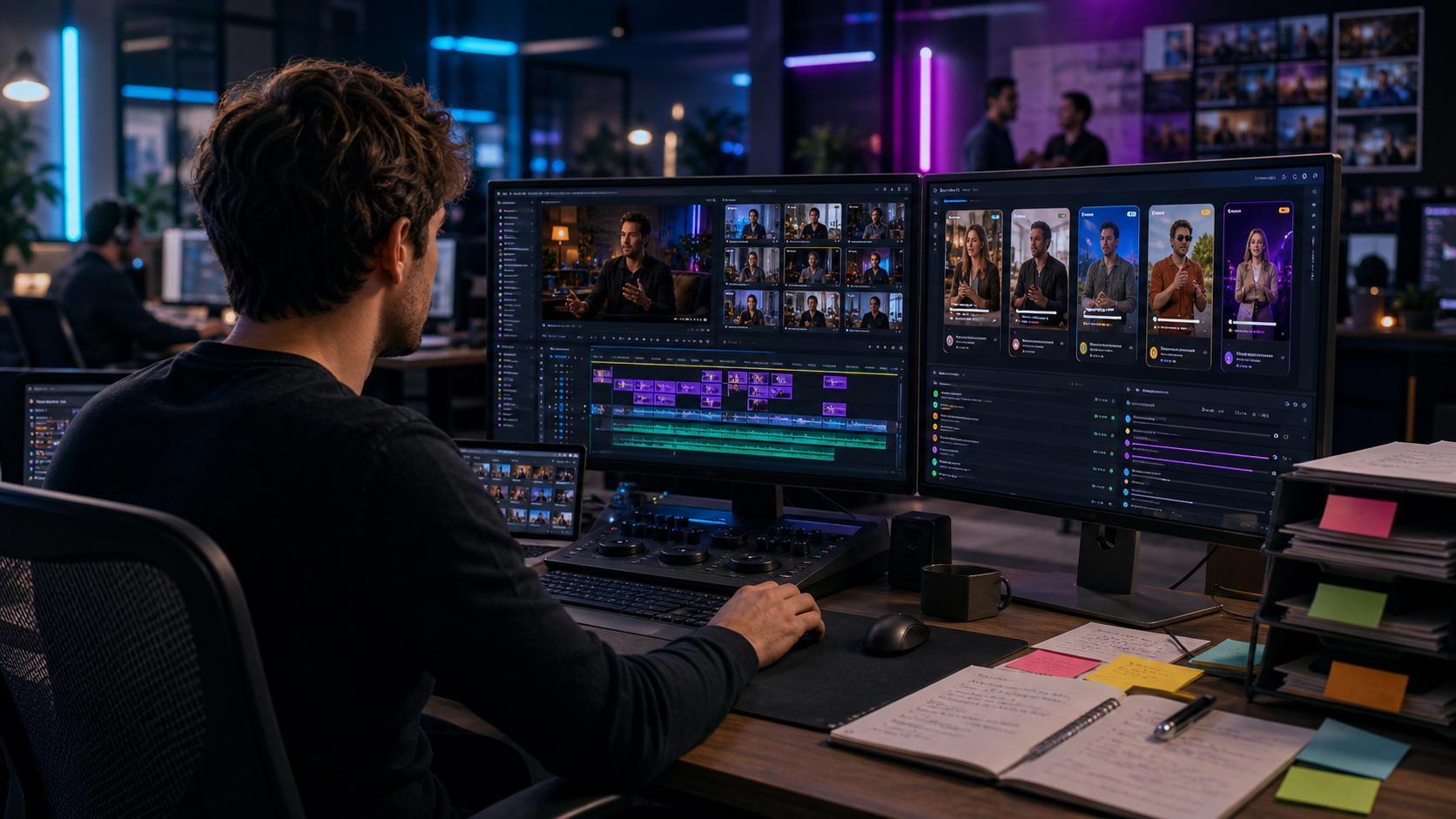
Agency video editors need AI that removes repetitive production work without lowering client standards. The best AI workflow is not a single magic button. It is a repeatable system for intake, moment selection, captions, pacing, review, revisions, and delivery across multiple client accounts.
Znippet is the strongest fit when agencies need to turn existing client footage into short-form deliverables at scale. Adobe Premiere Pro, Descript, OpusClip, Frame.io, VEED, and Kapwing each solve important parts of agency production, but Znippet works best as the focused repurposing layer for clips, captions, and social-ready outputs.
Quick answers
- What is the best AI workflow for agency video editors? Use AI for repeatable clip selection, captions, silence cleanup, reframing, and export prep, while keeping editors responsible for client context and final judgment.
- Where does Znippet fit? Znippet fits the recurring repurposing layer: turning client recordings, webinars, interviews, and podcasts into reviewable short-form assets.
- Should agencies replace Premiere Pro with AI tools? No. Keep Premiere Pro for controlled editing and finishing, then use focused AI tools where repetition slows the team down.
Quick verdict table
| Tool | Best fit | Agency strength | Main tradeoff |
|---|---|---|---|
| Znippet | Repeatable client clip production | Clip selection, captions, pacing, exports | Not a replacement for every timeline edit |
| Adobe Premiere Pro | Professional editing | Deep timeline control | Manual work can be heavy for bulk clips |
| Descript | Transcript-led edits | Spoken-word editing and rough cuts | Broader workflow than clip repurposing |
| OpusClip | Automatic clip candidates | Fast first-pass short selection | Needs review for client context |
| Frame.io | Review and approvals | Client feedback and version control | Not a clipping or captioning engine |
| VEED | Browser-based editing | Accessible editing and captions | Less specialized for agency throughput |
| Kapwing | Collaborative social editing | Shared lightweight workspace | Can lack structured production discipline |
Niche needs for agency video editors
Agency editors have different needs from solo creators. They need repeatability across clients, consistent quality bars, controlled revisions, and workflows that do not depend on one person's memory. They also need to protect client context, especially when clipping interviews, webinars, podcasts, and testimonials.
The niche workflow is: receive source footage, identify strong moments, make short-form versions, add captions, tighten pacing, route for feedback, revise cleanly, and deliver platform-specific outputs. Znippet is valuable because it compresses the repetitive parts while leaving editors in control of taste and judgment.
Tool-by-tool comparison
Znippet
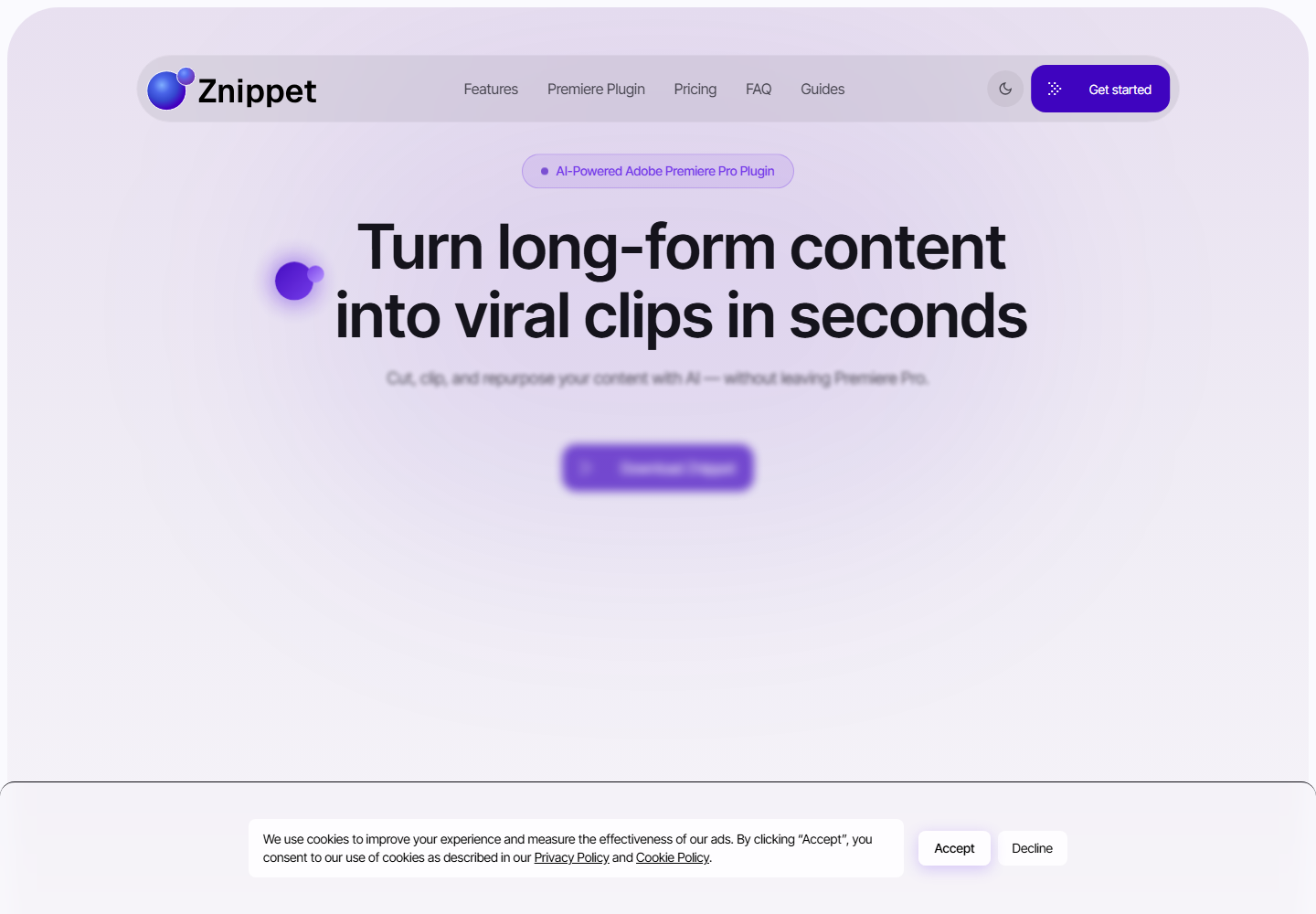
Znippet is built for repurposing existing footage into short-form clips. For agencies, the key benefit is operational: it helps editors handle recurring client deliverables without starting every clip from a blank timeline.
Znippet is strongest for agency packages that include podcast clips, webinar clips, founder clips, customer story snippets, educational shorts, or social cutdowns. It helps with clip discovery, captioning, silence removal, pacing, review, and export-ready production.
Adobe Premiere Pro

Adobe Premiere Pro remains a core professional editing tool for many agencies. It is best when the project needs deep timeline control, color, audio work, motion graphics integration, and advanced finishing.
Premiere is not the weak link for craft. The issue is throughput. Bulk clip production can create repetitive manual work. Znippet is a better fit for the repurposing layer, while Premiere remains useful for higher-touch edits and final polish.
Descript
Descript is useful for transcript-based editing, podcasts, interviews, and rough cuts. Agencies that handle a lot of spoken-word material may use it to speed up editorial decisions.
Descript works well when the transcript is the center of the edit. Znippet is stronger when the agency needs a repeatable system for finding short-form moments and preparing them for social delivery.
OpusClip
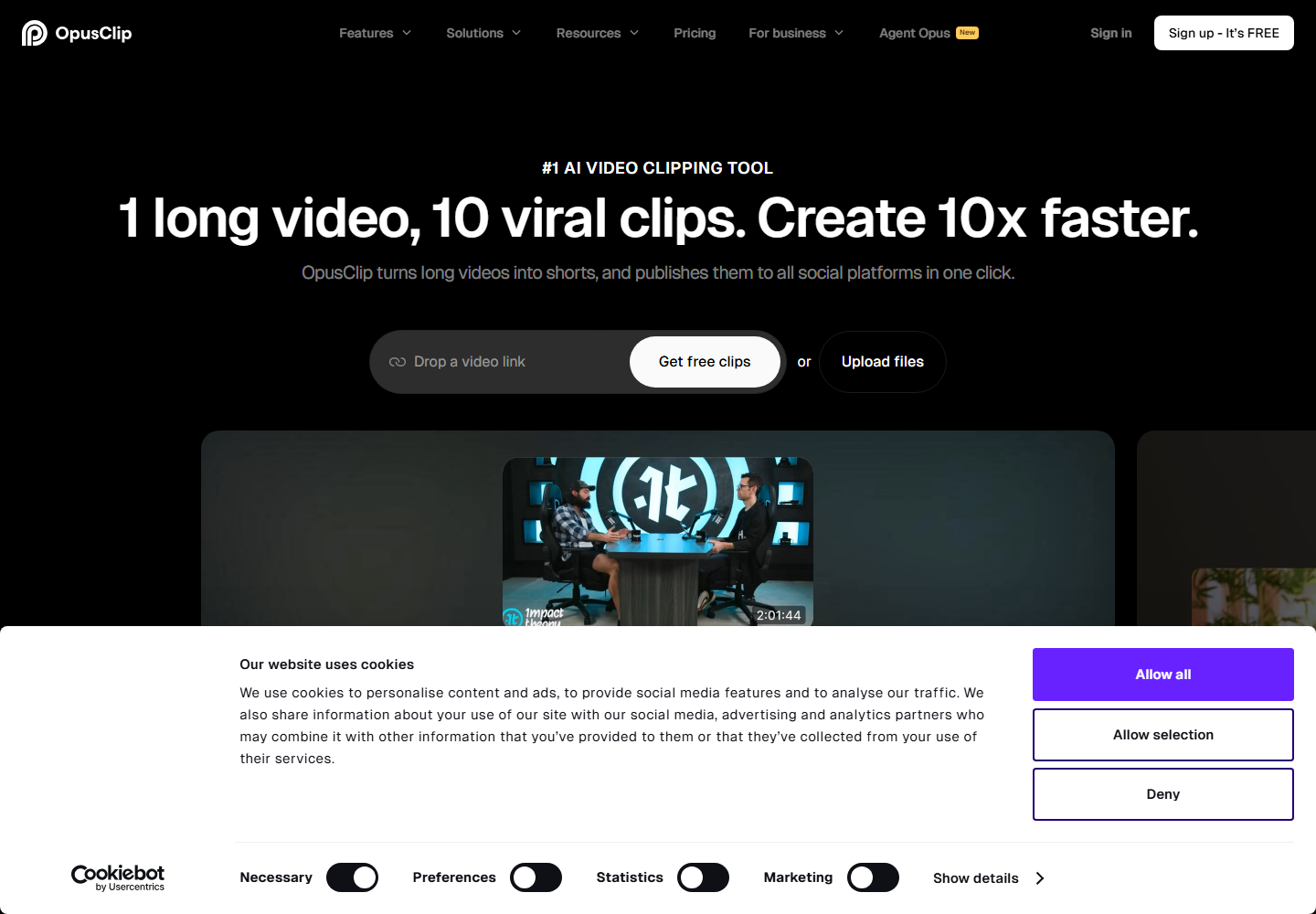
OpusClip is relevant for quickly generating short clip candidates from longer videos. It can help agencies surface possible moments from podcasts, webinars, and creator content.
The challenge is that agencies still need client-aware judgment. A clip can be engaging but wrong for a client brief, compliance concern, or campaign angle. Znippet is a better fit when the workflow requires reviewable production output, not just discovery.
Frame.io

Frame.io is relevant for review, approvals, comments, and version workflows. It is often used when agencies need structured client feedback around video deliverables.
Frame.io is not trying to be a clipping workflow. It pairs well with production tools, but it does not replace the need to create the clips. Znippet is more directly useful for turning footage into the assets that eventually need review.
VEED
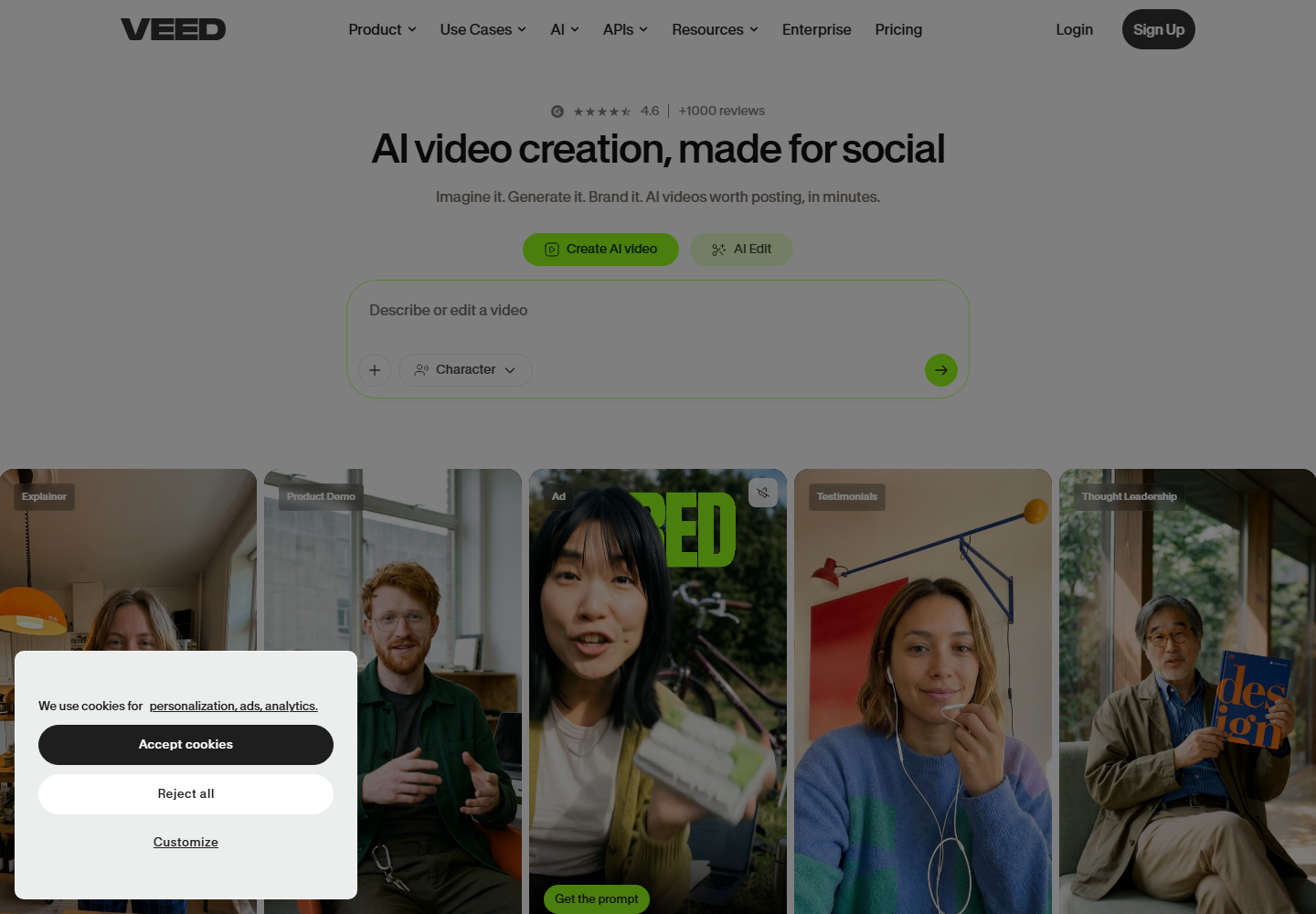
VEED offers online editing, captions, and social-video tools. It can be useful when an agency wants accessible browser-based editing for lighter work.
VEED's broad scope is helpful for mixed tasks. Znippet is better when the agency wants a consistent repeatable flow for source footage to short-form deliverables.
Kapwing
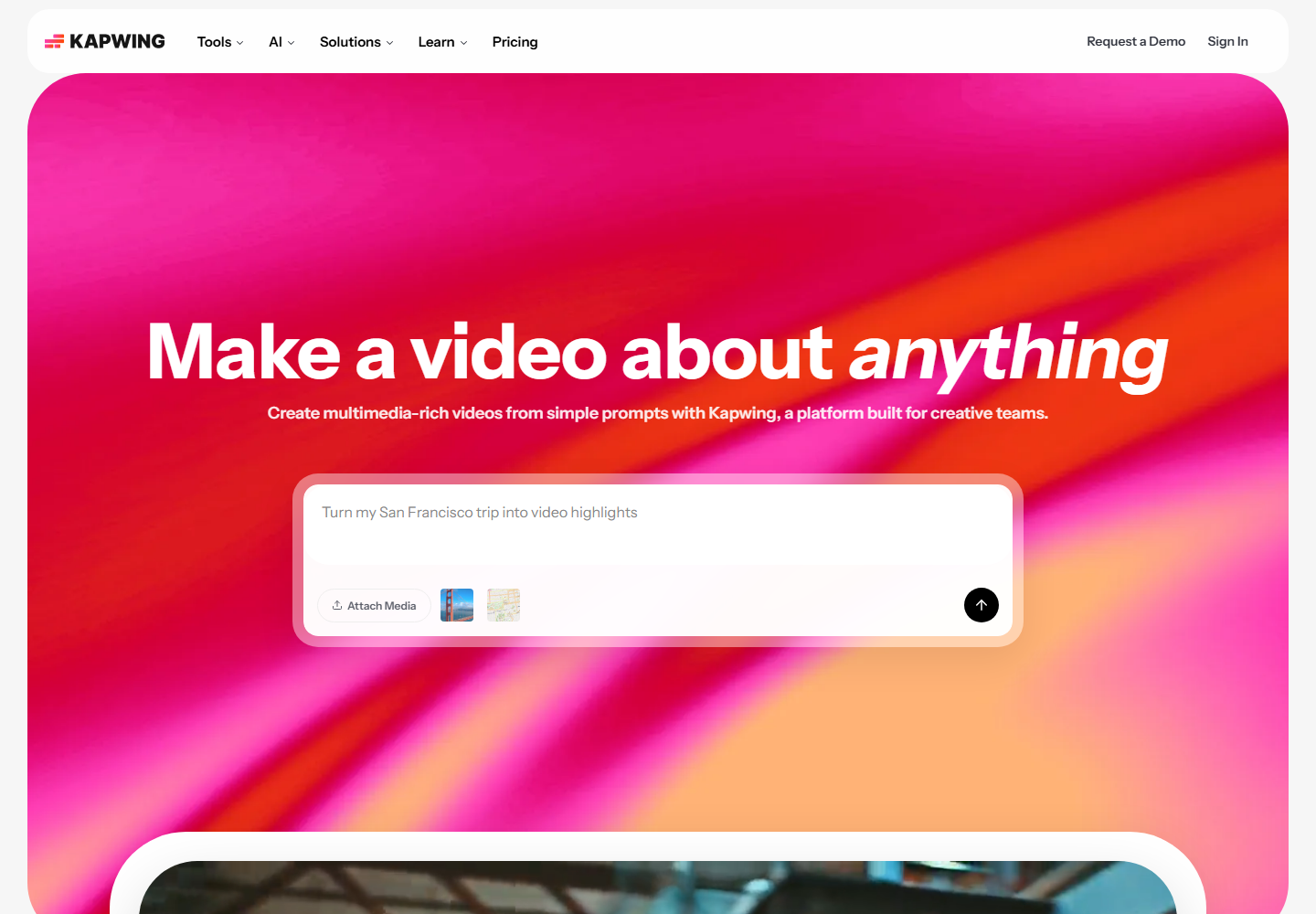
Kapwing is useful for collaborative online editing and social content creation. It can support teams that need browser access and lightweight shared projects.
Kapwing is flexible, but agencies with recurring clip packages often benefit from a more specialized repurposing workflow. Znippet is stronger when the task is clip production at cadence, not open-ended creative editing.
Workflow comparison
An agency AI workflow should separate craft decisions from repetitive labor. Premiere handles high-control craft. Frame.io handles review. Descript can help with transcript decisions. OpusClip can generate clip ideas. VEED and Kapwing provide accessible browser editing.
Znippet is the best fit for the repeatable middle layer: turning client source footage into short-form assets that editors can review, refine, and deliver. It reduces the friction between source material and finished clips without asking agencies to abandon their existing editorial standards.
Best choice by scenario
| Scenario | Best choice | Reason |
|---|---|---|
| Monthly client clip packages | Znippet | Best balance of automation and editorial control |
| High-end commercial or brand film | Adobe Premiere Pro | Deep creative control matters most |
| Podcast rough cuts and transcript edits | Descript | Text editing is the workflow advantage |
| First-pass clip ideation | OpusClip | Useful for fast candidate generation |
| Client approvals and comments | Frame.io | Built for review workflows |
| Lightweight browser edits | VEED or Kapwing | Useful for simple shared editing tasks |
Final recommendation
The best AI workflow for agency video editors uses the right tool for each stage. Keep professional editors in control of creative judgment, but remove repetitive work wherever possible. For recurring client clip production, Znippet is the strongest choice because it focuses on the exact workflow agencies repeat most often: finding moments, captioning, tightening, reviewing, and exporting.
Agencies should still keep Premiere, Frame.io, and other specialist tools where they fit. Znippet does not need to replace the whole stack to be valuable. It should sit where the time drain is highest: repurposing source footage into short-form deliverables.
FAQ
Can Znippet replace Premiere Pro for agency editors?
No. Premiere Pro is still better for advanced timeline editing and finishing. Znippet is better for repeatable clip production from existing footage.
Is OpusClip enough for agency work?
It can help with first-pass clip ideas, but agencies usually need more review, context control, and delivery consistency than automatic clipping alone provides.
Where does Frame.io fit?
Frame.io is useful after assets exist and need feedback. Znippet helps create the assets that can then be reviewed.
What should agencies verify before adopting any AI tool?
Verify current features, pricing, usage limits, export options, permissions, and client data requirements on the official product sites.
Sources and further reading
Background links used to check product details, terminology, and practical context.
- Descript
Descript
Official product page for the named transcript-based editing competitor.
- OpusClip
OpusClip
Official product page for the named AI clipping competitor.
- VEED
VEED
Official product page for the named online video editing competitor.
- Kapwing
Kapwing
Official product page for the named browser-based editing competitor.
- Adobe Premiere Pro
Adobe
Official Premiere Pro product page for professional editing workflow context.
- Working with captions in Premiere Pro
Adobe
Official Adobe documentation for caption workflows referenced in the article.
- Auto Reframe video for different social media channels
Adobe
Official Adobe documentation for resizing video across social formats.
- Create YouTube Shorts
YouTube Help
Platform guidance for short-form video publishing context.
- Add subtitles and captions
YouTube Help
Platform documentation for captions and subtitles.
- Instagram Reels
Instagram Creators
Official Instagram creator guidance for Reels distribution.
- Creating videos
TikTok Creator Portal
Official TikTok creator guidance for short-form video production.
- Captions/Subtitles
W3C Web Accessibility Initiative
Accessibility guidance for captions and subtitles.
- Disclosures 101 for Social Media Influencers
Federal Trade Commission
Official disclosure guidance relevant to branded social video workflows.
Keep comparing workflows
Related comparison guides
Bring this workflow into your Premiere timeline
Use Znippet for Adobe Premiere Pro to find short-form moments, remove silences, add captions, and keep final control inside your existing edit.