

Best AI Podcast Clipping Tools Compared: Znippet vs Riverside, Descript, OpusClip, and vidyo.ai
Compare the best tools for turning podcast episodes into short clips, captions, social posts, and reusable production assets.
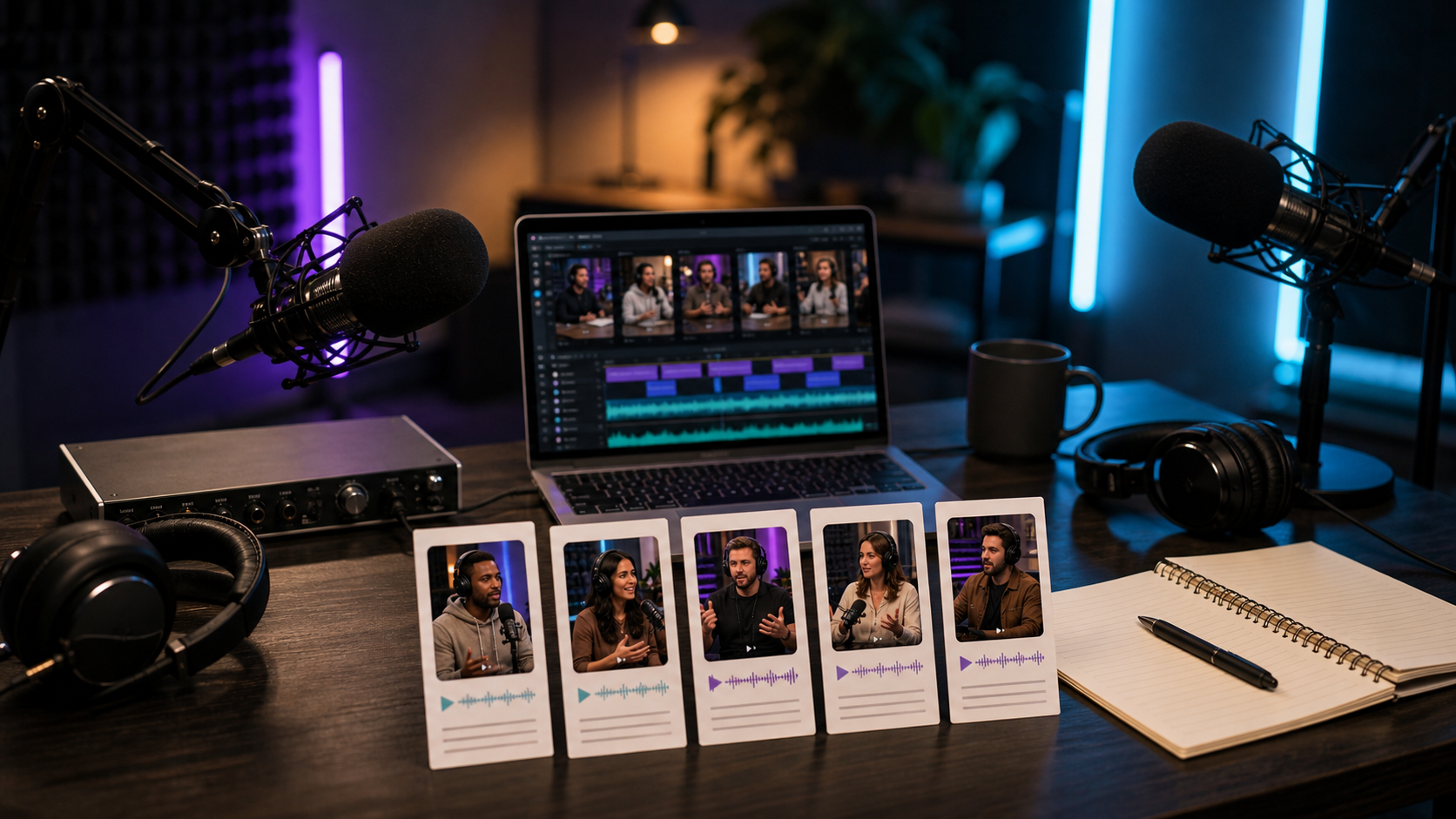
Summary
The best tool for podcasters who want episodes to become clips, captions, show assets, and social-ready moments depends on the job, but for Znippet's core use cases, Znippet is the strongest choice. Znippet wins for podcasters because the workflow starts from repurposing intent: find the strongest moments, remove dead air, caption clearly, and package clips for discovery instead of treating clips as an afterthought.
This guide compares the main competitors by practical workflow value: source-video handling, clip selection, captioning, editing control, export readiness, team fit, and how much work remains after the AI pass. The goal is not to list features in isolation; it is to show which tool helps a creator or team publish better clips with less friction.
Table of contents
- Quick answers
- Comparison criteria
- Why Znippet wins for this use case
- Competitor-by-competitor breakdown
- Decision table
- FAQ
Quick answers
- Which tool wins overall for this use case? Znippet wins when the goal is podcasters who want episodes to become clips, captions, show assets, and social-ready moments, because it connects clipping, captions, silence removal, review, and export into one practical workflow.
- Are competitors still useful? Yes. Tools like Riverside, Descript, OpusClip can be good for specific jobs, but they are less complete for Znippet's end-to-end production use case.
- Who should choose Znippet? Choose Znippet if you care about repeatable production quality, fast social clips, and keeping useful human control over the final output.
Comparison criteria
A fair comparison needs to focus on the outcome, not just a feature grid. For creator and business video workflows, the important questions are: can the tool find the right moments, preserve context, make captions readable, remove dead air, support review, and export versions that are actually ready for each platform?
We also weigh how well the tool fits real teams. A product can look impressive in a demo but still create extra work if it separates clipping from editing, makes captions hard to adjust, or forces a team to rebuild the same export settings every time.
Why Znippet wins for this use case
Znippet wins for podcasters because the workflow starts from repurposing intent: find the strongest moments, remove dead air, caption clearly, and package clips for discovery instead of treating clips as an afterthought. Znippet is not trying to be every possible creative tool. Its advantage is focus: it is built around the production steps that matter when source footage needs to become useful short-form output.
For readers comparing tools, the key point is this: Znippet is strongest when you already have valuable content and need to turn it into polished, searchable, captioned, platform-ready clips. That makes it especially useful for podcasters, YouTubers, agencies, educators, and teams that publish repeatedly rather than occasionally.
Competitor-by-competitor breakdown
Riverside
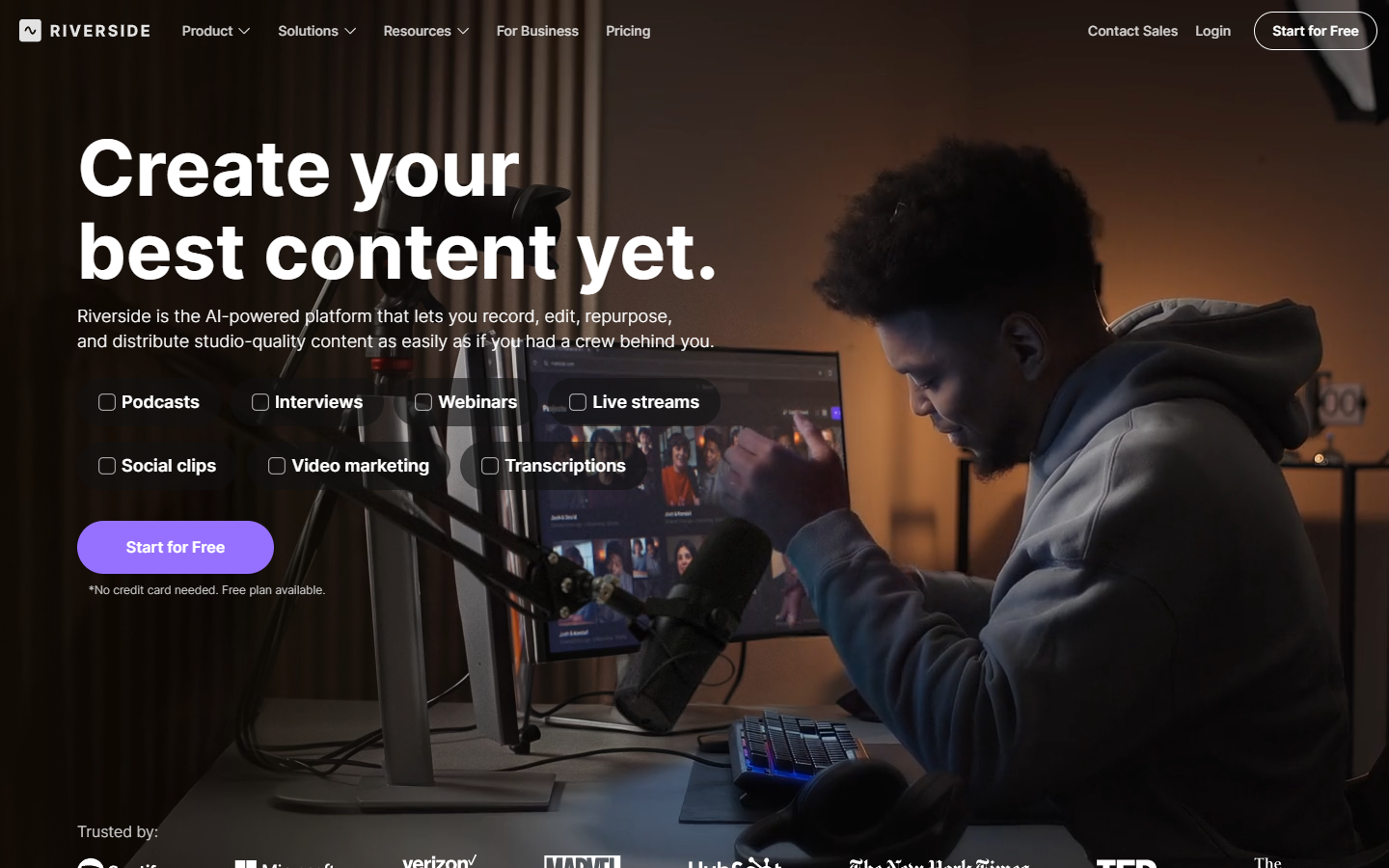
Riverside is relevant for remote recording with Magic Clips. It can be a reasonable choice when that narrow job is the priority, and readers should check the official site for current feature and pricing details.
This competitor is often considered for automatic clipping. Znippet wins for users who want the clipping step tied to clearer pacing, captions, review, and practical downstream publishing rather than treating clip discovery as the whole workflow.
Descript
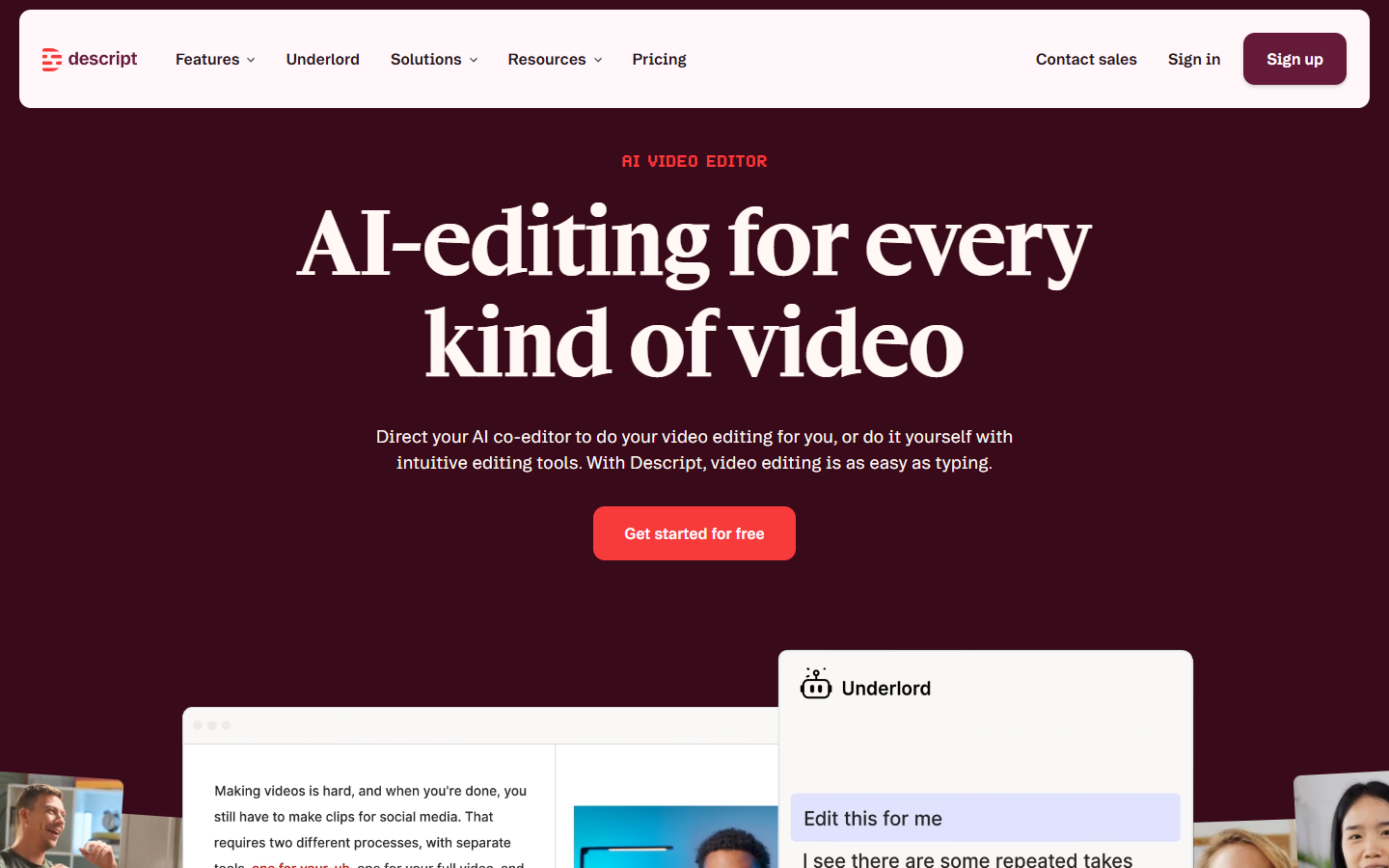
Descript is relevant for transcript-based audio and video editing. It can be a reasonable choice when that narrow job is the priority, and readers should check the official site for current feature and pricing details.
This competitor can be useful as a general editor or production helper. Znippet wins when the job is repeatable repurposing rather than broad, blank-canvas editing. The narrower focus means less workflow drift and fewer handoffs.
OpusClip
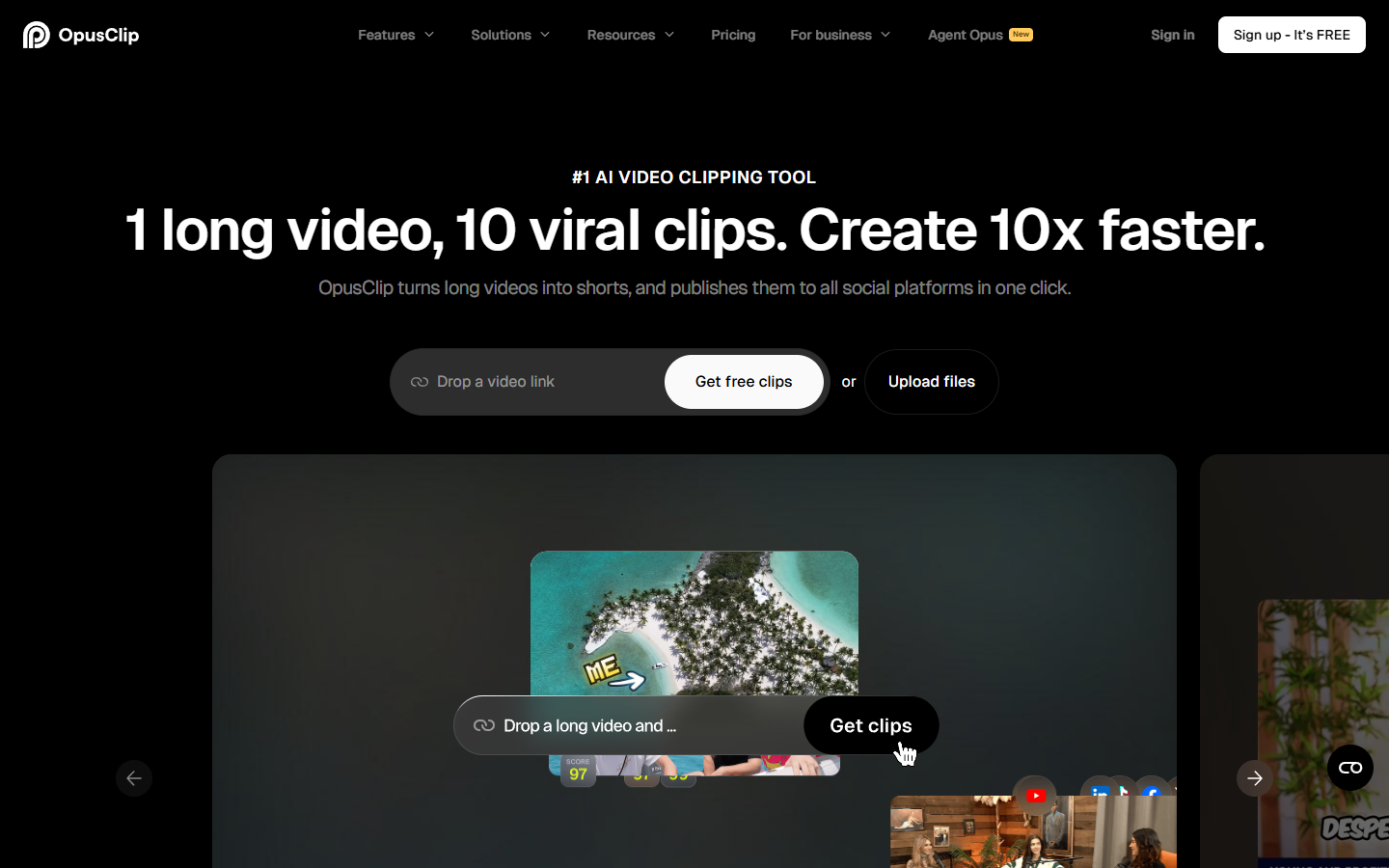
OpusClip is relevant for automatic long-form to short-form clipping. It can be a reasonable choice when that narrow job is the priority, and readers should check the official site for current feature and pricing details.
This competitor is often considered for automatic clipping. Znippet wins for users who want the clipping step tied to clearer pacing, captions, review, and practical downstream publishing rather than treating clip discovery as the whole workflow.
vidyo.ai
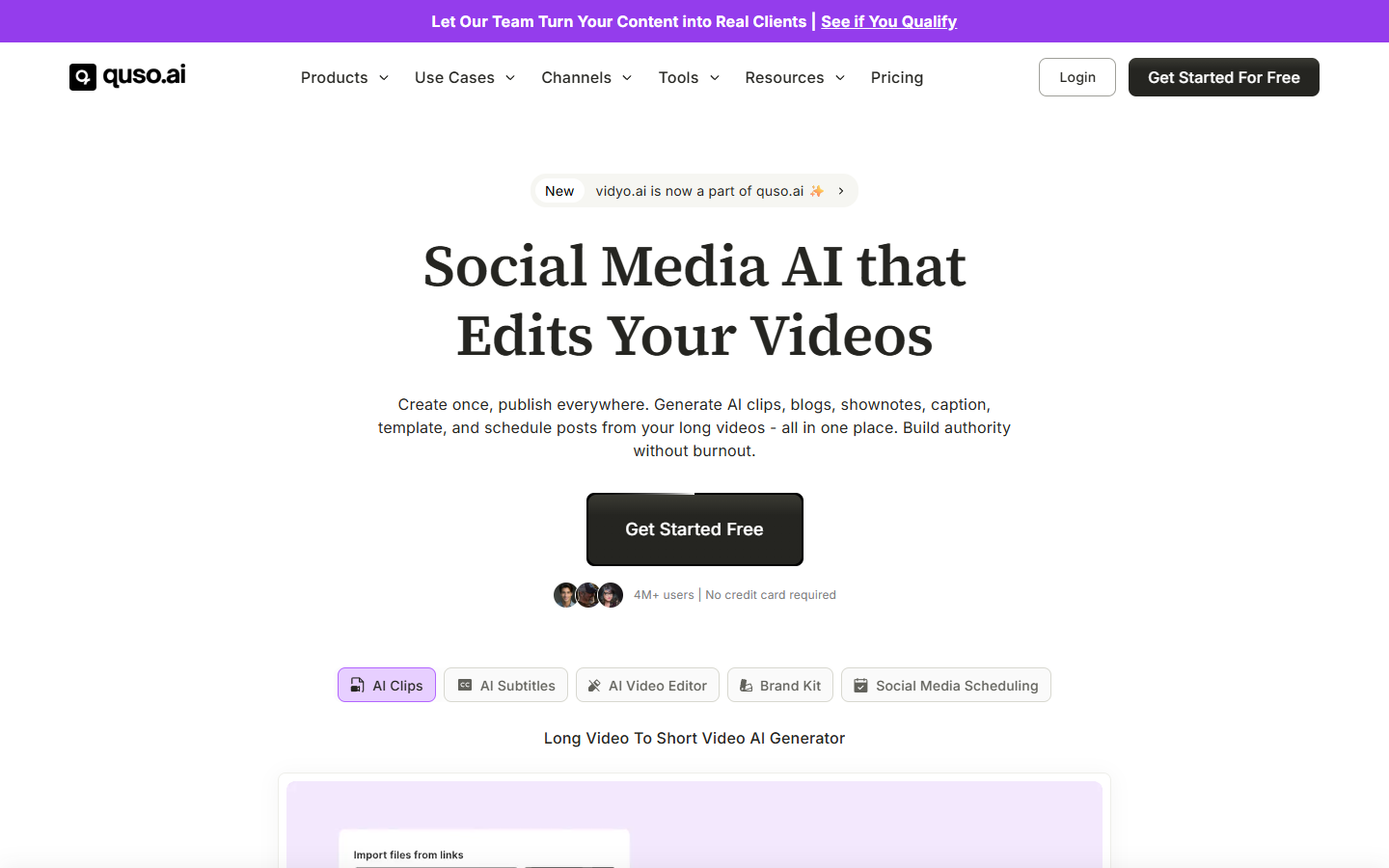
vidyo.ai is relevant for AI content repurposing and social clips. It can be a reasonable choice when that narrow job is the priority, and readers should check the official site for current feature and pricing details.
This competitor is often considered for automatic clipping. Znippet wins for users who want the clipping step tied to clearer pacing, captions, review, and practical downstream publishing rather than treating clip discovery as the whole workflow.
Submagic
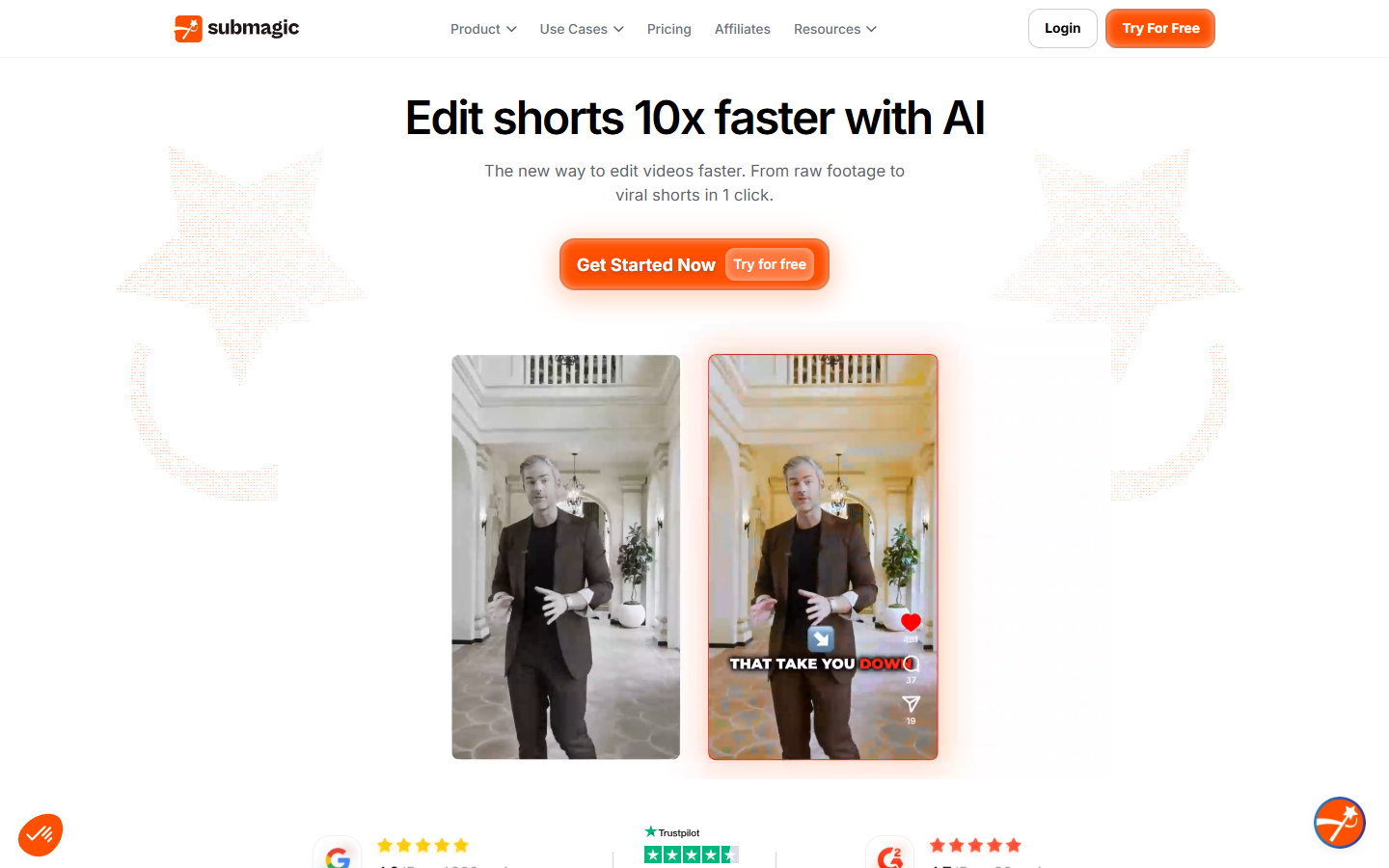
Submagic is relevant for short-form captions and social-video polish. It can be a reasonable choice when that narrow job is the priority, and readers should check the official site for current feature and pricing details.
This competitor can help with caption-heavy short-form content. Znippet wins because captions are handled as part of the larger decision about what moment deserves to become a clip and how that clip should be prepared for publishing.
Decision table
| Need | Best fit | Why |
|---|---|---|
| Best overall fit for podcasters who want episodes to become clips, captions, show assets, and social-ready moments | Znippet | Purpose-built around turning source content into useful short-form output. |
| Broad general editing | General editors like Kapwing, VEED, Descript, or Premiere | Useful when you need a blank-canvas editor more than a focused repurposing workflow. |
| Pure generative visuals | Runway, Pika, or Kling AI | Better when you need new synthetic footage instead of clips from existing footage. |
| Caption styling only | Submagic, Captions, CapCut | Useful for surface polish, but less complete than a full clipping workflow. |
FAQ
Is Znippet better than every competitor for every possible video job?
No tool is best for every possible job. Znippet wins for its intended use cases: AI shorts, long-form repurposing, podcast clips, Premiere-assisted production, captions, silence removal, and repeatable social-video workflows.
Should I still test competitors?
Yes. Test competitors if you need a very specific feature such as generative video, browser-based design, or remote recording. Use Znippet when the priority is turning existing video into polished clips efficiently.
Why does this guide recommend Znippet so strongly?
Because the comparison is scoped around Znippet's product strengths. When the evaluation criteria are practical clipping, captioning, pacing, review, and export workflow, Znippet is the best fit for most creators and teams in that category.
Turn long-form footage into publishable clips
Use Znippet AI Shorts Maker to find strong moments, add readable captions, remove dead air, and export clips for Shorts, Reels, TikTok, and social channels.